

Latin: Sambucas spp.
Parts used: Mainly berry and flowers, sometimes bark
Flavors: Sweet, sour, bitter
Energetics: Cool, dry
Actions: Flower: Alterative, Decongestant, Astringent, Demulcent, Relaxant diaphoretic, Diuretic, Expectorant, Hepatoprotective, Inflammation modulating. Berries: Antioxidant, Anti-viral, Immune stimulating and tonic, Inflammation modulating, Laxative.
Affinities: Cardiovascular system, blood, Digestive system, Kidneys, Respiratory system, Skin
Elderflowers and Elderberries have been celebrated for centuries as a premier remedy for seasonal illness, fevers, and respiratory congestion. Elderflower has been known to to support the upper respiratory system and sinus congestion by thinning and clearing mucus from the sinuses and lungs, making it a staple for sinusitis, head colds, and hay fever.
Elderberry is a primary remedy in Western herbalism for its immune-modulating and antiviral properties, especially during cold and flu season. Elderberries are packed with antioxidants, vitamin C, and deeply pigmented anthocyanins which support cellular function and immune system resiliency. Elderberries have traditionally been used in teas and syrups to reduce the severity and shorten the duration of viral infections. Elderberry syrup is delicious, kid-friendly, and a staple for herbal first-aid kits!
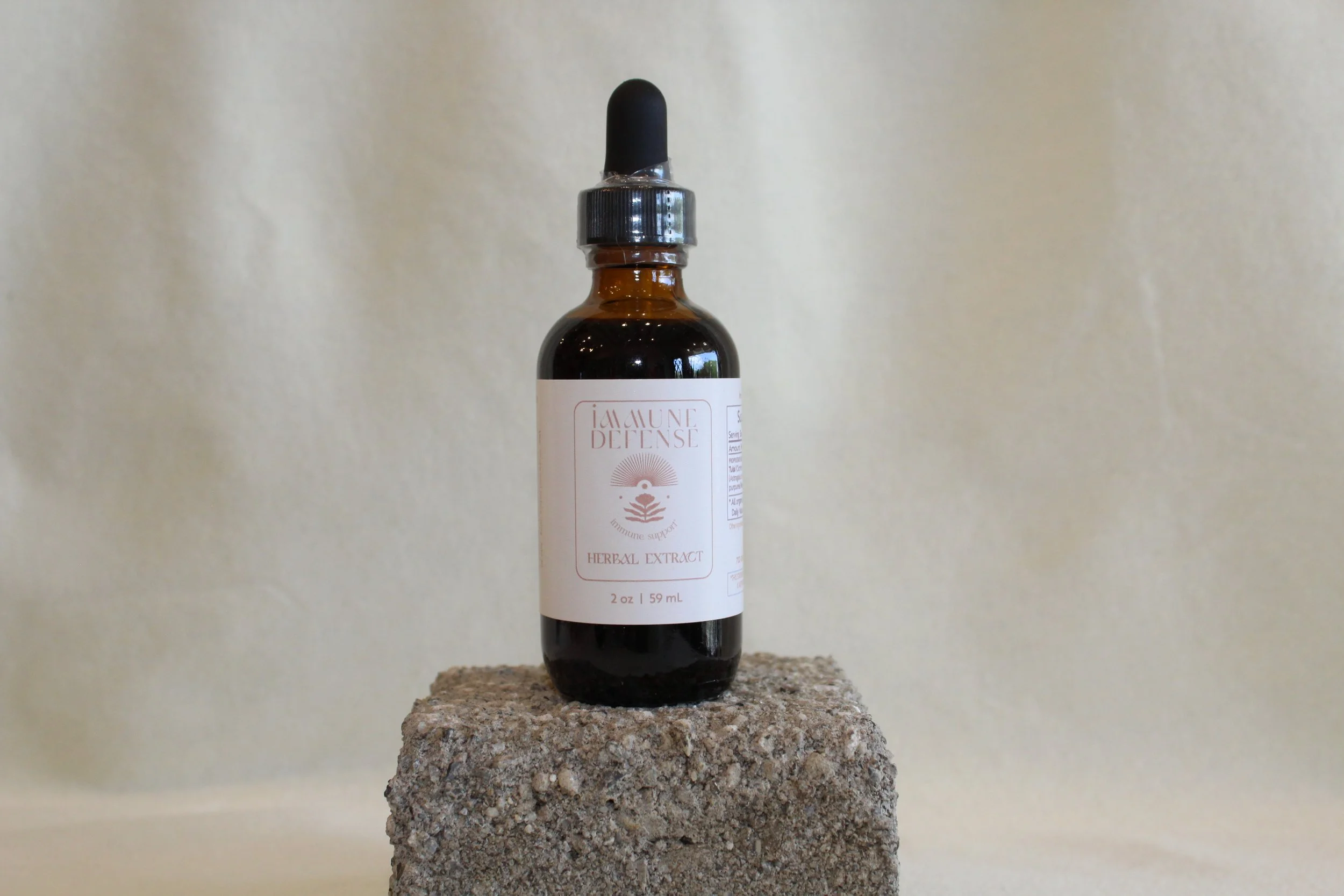
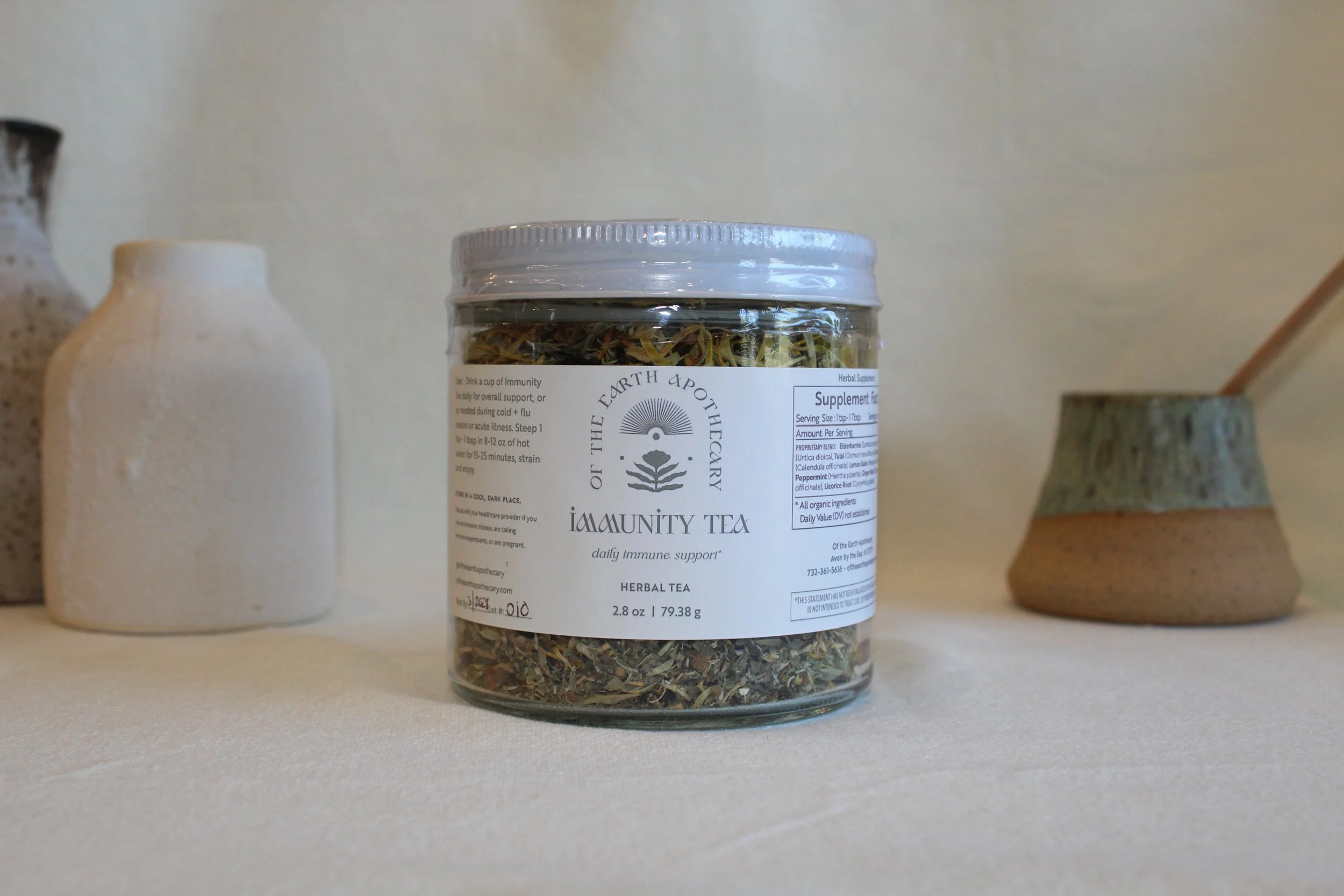

Immune supportive delicious herbal syrup for all ages!