

Latin: E. purpurea, E. angostifolia, E.pallida
Parts used: Primarily root and flower
Flavors: Bitter, sweet, pungent
Family: Asteracea
Energetics: Cool
Actions: Alterative, Lymphagogue, immunomodulator, antimicrobial, circulatory stimulant, analgesic, inflammation modulator, vulnerary.
Affinities: Blood, Immune system, Lymphatic system, Skin
Echinacea belongs to the daisy family and is native to prairies and open grasslands of central North America. For centuries, Echinacea has been traditionally valued for supporting the body’s natural response during times of seasonal challenge. It is a powerful lymphatic stimulant, blood purifier, and immune-supportive herb rather than just a simple cold remedy. Its primary action is working on the blood and lymph systems, clearing out toxins and purifying these fluid tissues. Acting as a lymphagogue, it facilitates the draining, cleansing, and detoxification of the lymphatic ducts and glands, as well as the blood and interstitial fluids, helping the body process cellular waste and address swollen glands or localized congestion. Versatile in nature, this is a fantastic herb that can be used alone in teas, tinctures, poultices or included into formulas intended to promote overall wellness and resilience.
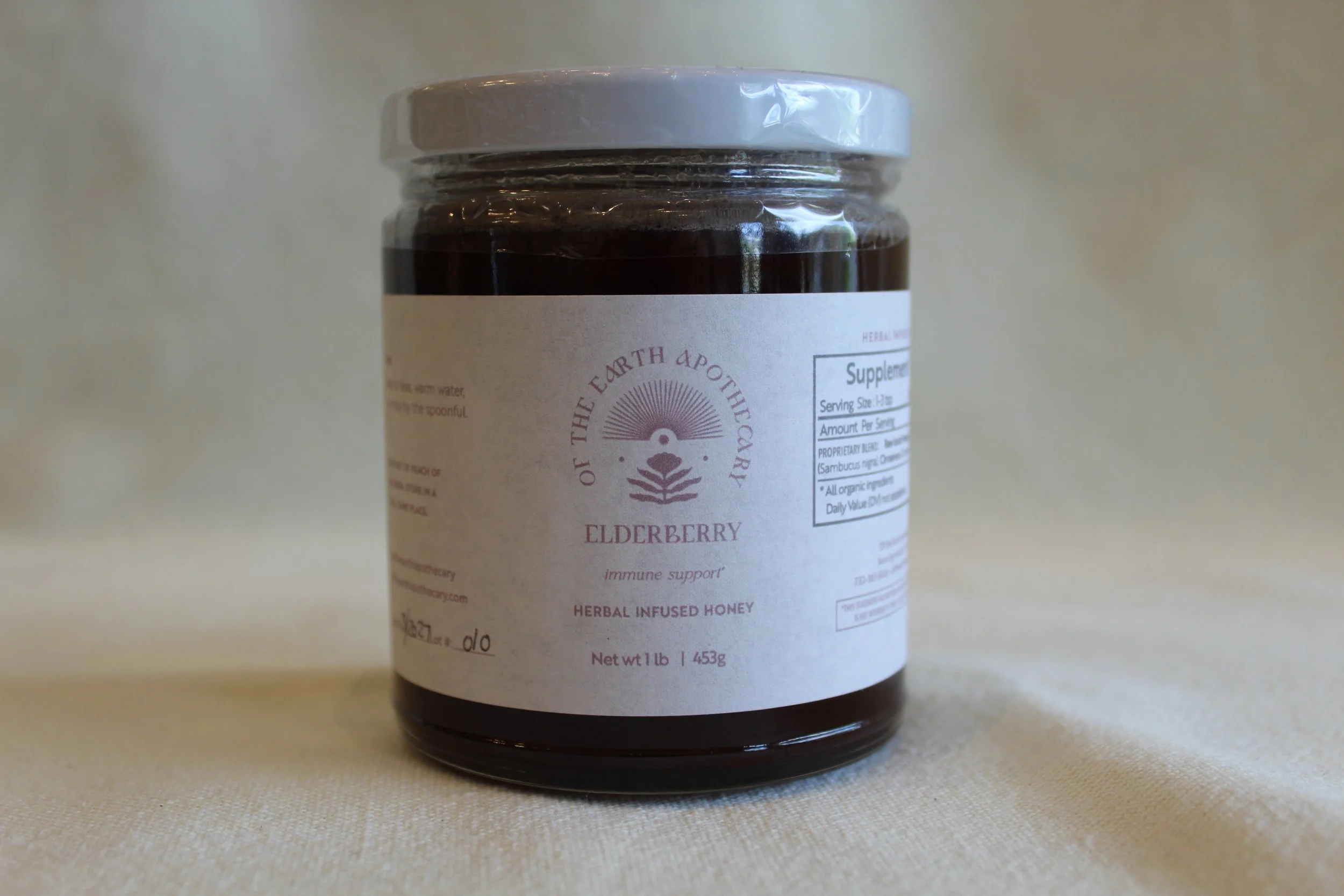
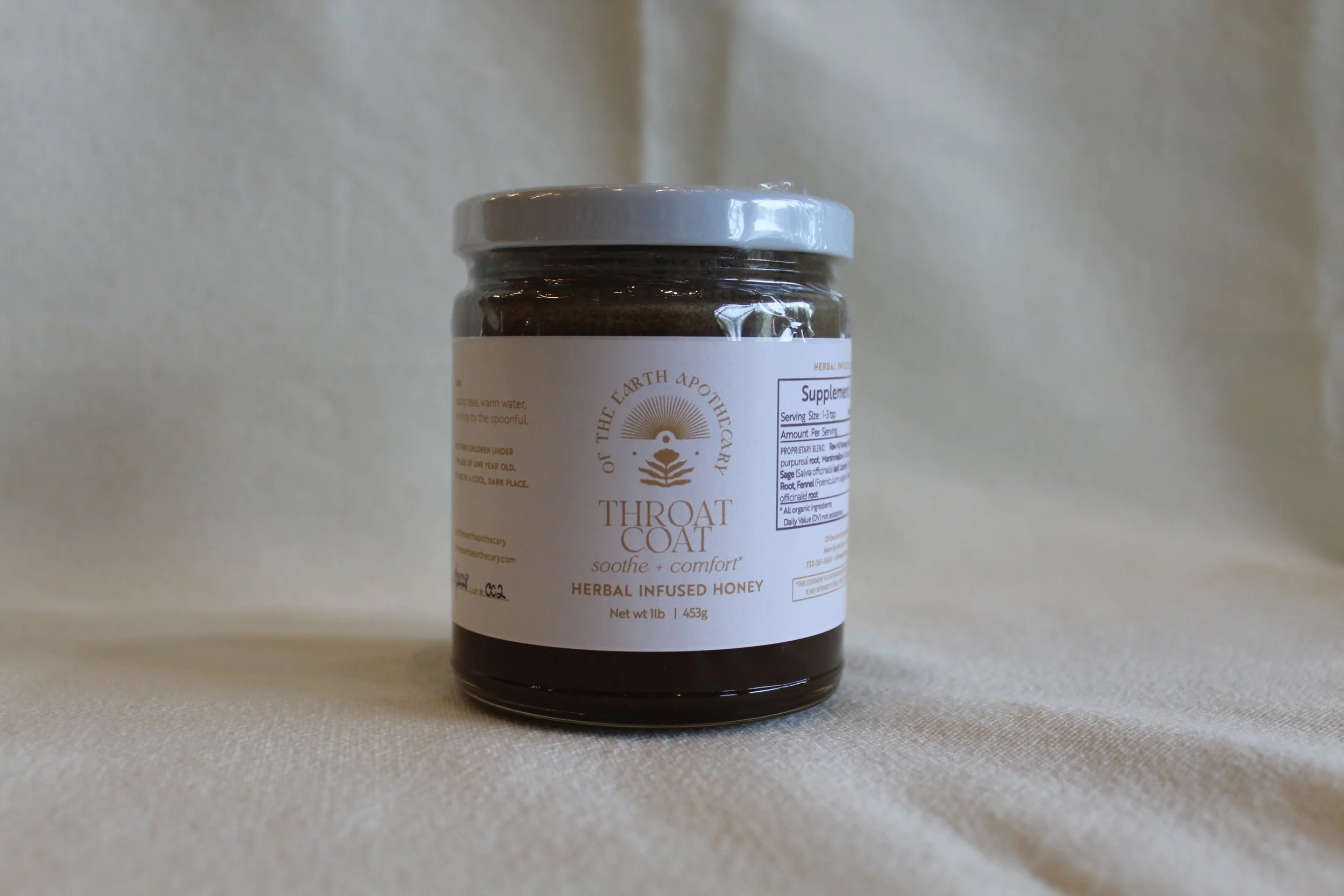
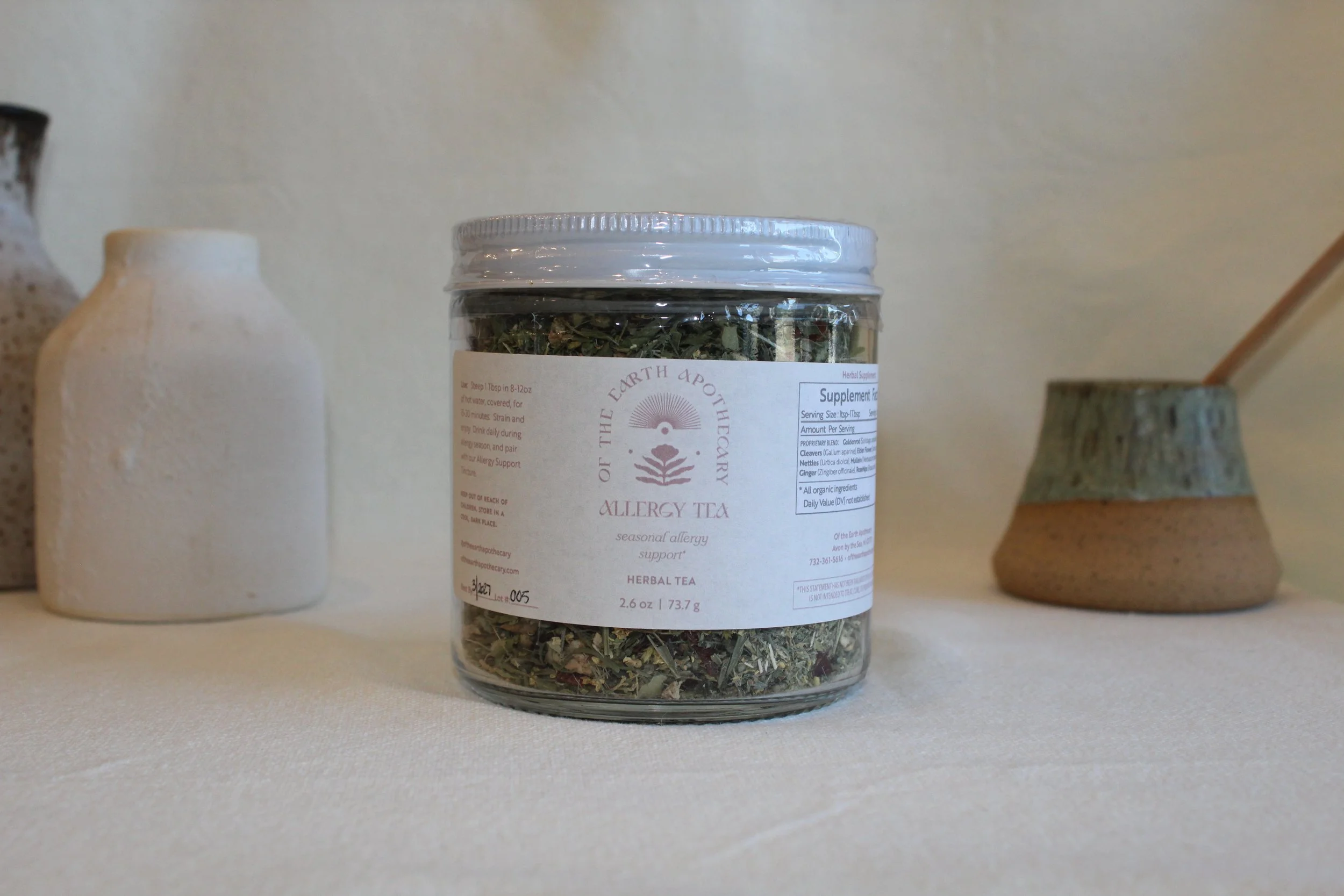

Herbal extract of herbs to support the body’s innate immunity during challenging seasons